The Six New Starter Decks
Each Starter Deck below gets its own visual card package, early positioning read, and working verdict based on the first OP16.5 samples.
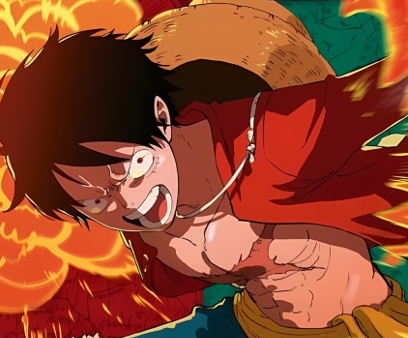
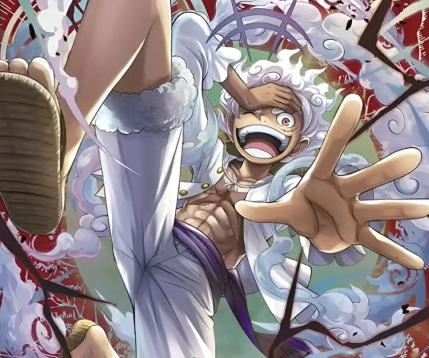
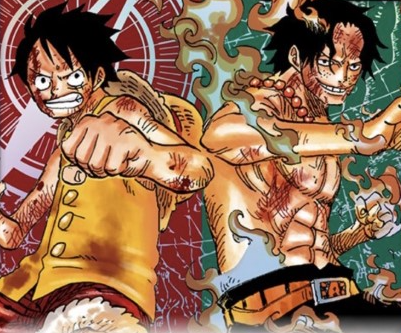
Monkey D. Luffy
Looks well positioned into Mihawk and Green/Blue Luffy, two decks that could be heavily represented near the top of the field.
Still struggles into Purple Enel and Nami, which matters because both Leaders should remain relevant.
Also appears to pick up a difficult new matchup into Red/Green Luffy, another major winner from the red Starter Deck cards.
Teach and Rosinante do not look especially attractive pairings either.
Luffy got one of the most meaningful upgrades in the entire ST31 through ST36 wave. The problem is that its bad matchups line up with several decks we still expect to see a lot of. That keeps it in the Meta tier for now, right on the edge of Top Meta if the field shifts in its favor.
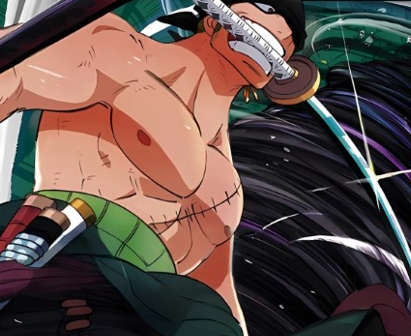
Green Zoro
The new support does not appear to fundamentally change how Green Zoro plays.
It reads more like a light upgrade or a lateral evolution than a structural redesign.
Purple Enel still looks difficult, even though some of the new green cards initially seemed promising there.
Several of the strongest green Starter Deck cards may actually help Mihawk more than Zoro.
Zoro can still put up results with the right build and the right bracket, but the first wave of testing does not suggest a real breakout. Until players prove otherwise, it looks like a Rogue deck rather than a stable top-table choice.
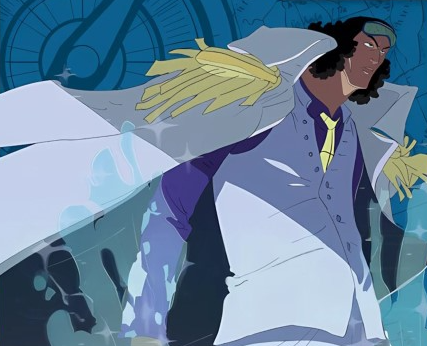
Blue Kuzan
Currently appears weak into Red/Green Luffy, Purple Enel, and Nami.
Mihawk also looks slightly unfavorable, which is notable because cards like Gravity Blade and Ice Time should help manage wide boards.
The deck may simply be under-optimized and still searching for the right balance between bodies and Events.
Teach and Red Luffy do look more promising, which matters if Teach remains a check on Purple Enel and Red/Green Luffy.
Kuzan's first numbers are only fair, but the deck does not look unsalvageable. It has adjustable tools, several matchups still appear playable, and it may be one of the Starters whose stock changes the most once the lists tighten up. For now, we place it in Meta with room to rise.
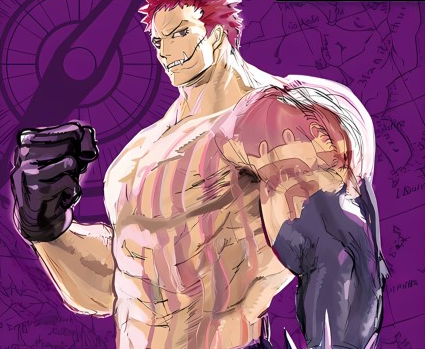
Purple Katakuri
The first/second split is the biggest warning sign. Katakuri clearly wants to dictate the pace from the opening turns.
It looks good into Mihawk and Nami, two decks that may see a lot of play.
Red/Green Luffy and Kuzan appear close to even.
Green/Blue Luffy and Purple Enel look notably worse, which is a major issue because both are among the sturdiest decks in the format.
Katakuri has real flaws, but its positioning into Mihawk and Nami gives it a meaningful role in the room. We currently place it at the lower end of Top Meta. Its exact standing will depend heavily on how much Purple Enel, Green/Blue Luffy, Mihawk, and Nami show up.
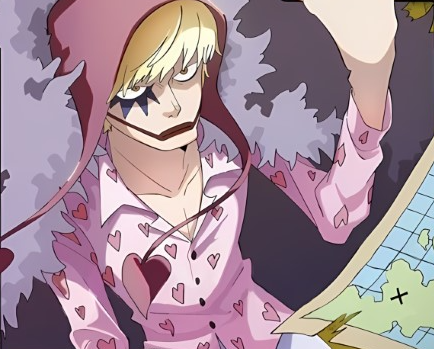
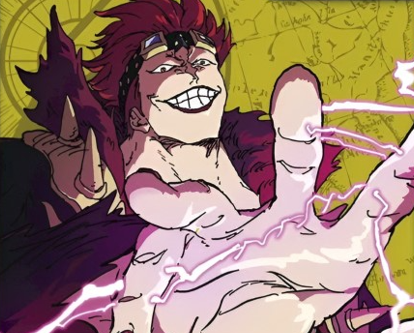
Kid
The deck drew a lot of attention because of how much life it can recover.
That said, healing alone does not solve its issues closing games or turning stabilization into pressure.
Mihawk, Red/Green Luffy, Purple Katakuri, and Green/Blue Luffy all look rough.
Purple Enel and Nami still seem slightly unfavorable, though not as punishing as the matchups above, and Teach does look favorable.
Kid has a powerful mechanic, but the support may have been somewhat overrated early on. It improves staying power without fully fixing the deck's ability to finish games. We currently place it in the middle of Meta, with its good Teach matchup giving it a specific niche.
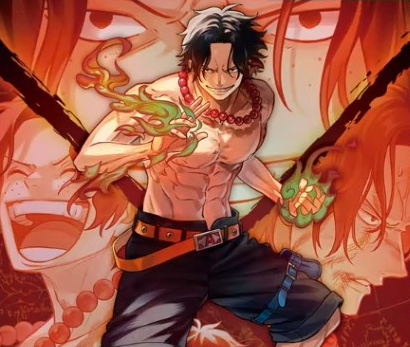
Sabo
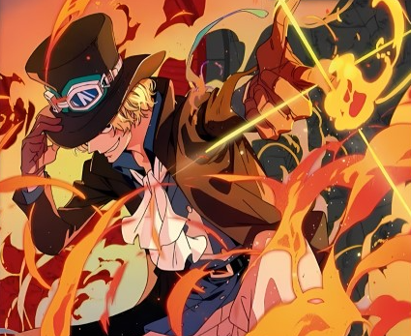
Sabo may also be the least defined deck in the group right now.
Players are still trying an aggressive shell, a more traditional midrange shell, and hybrid builds that split the difference.
That hybrid approach may be dragging the numbers down by reducing the deck's internal coherence.
The Starter Deck support itself appears to point more naturally toward a dedicated aggressive build.
We do not expect Sabo to become an immediate omnipresent force, but it could easily be stronger than the first data suggests. We place it in Wildcard: a deck that may stay relatively niche, but could absolutely reward a specialist who finds the cleanest aggressive version.
The Decks Still Defining the Room
Even with six new Starter Decks entering the conversation, several OP16 pillars still look like the decks everyone else must answer.
Purple Enel
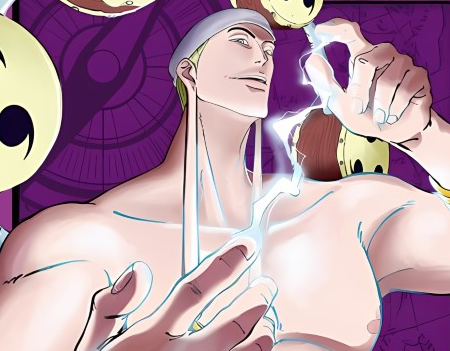
Apex- Still looks favorable into Mihawk, Red/Green Luffy, Kuzan, Purple Katakuri, Green/Blue Luffy, and Rosinante.
- Nami and Teach remain the headline problem matchups.
- The deck's filtering and answer density still make it one of the hardest engines to push out of a format quickly.
Green/Blue Luffy
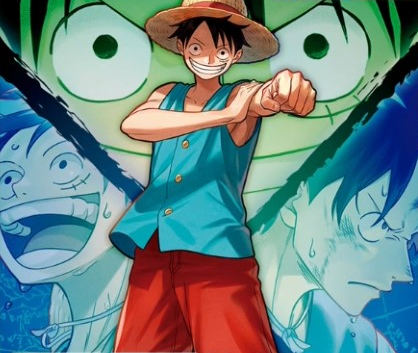
Apex- Red/Green Luffy, Purple Enel, and Nami are the three major pressure points called out so far.
- Even with those weaknesses, it still looks strong into most of the rest of the field.
- The Nami matchup may also be somewhat less bad at a high level than broad stats suggest because the deck has a high mastery ceiling.

Nami
Top Meta- Nami still has the blue-yellow defensive tools to heal, stall, and drag combat into awkward shapes.
- The difference is that Mihawk and Red/Green Luffy both look naturally well positioned against her and may be much more common in OP16.5.
- Nami seems favored into Kuzan, Green/Blue Luffy, and Purple Enel, but unfavorable into Mihawk, Red/Green Luffy, Purple Katakuri, and Teach.
Teach
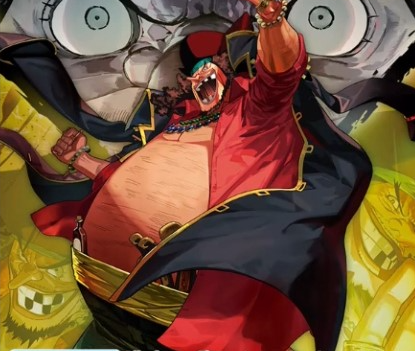
Top Meta- Teach is still hugely relevant because it appears good into Red/Green Luffy, Purple Enel, and Nami.
- Those three matchups alone give it real strategic importance in the room.
- The downside is that Mihawk, Kuzan, and Green/Blue Luffy all seem more difficult, so Teach remains highly field-dependent.
Our First OP16.5 Tier List
This is our first projection based on the early data and the matchups that were explicitly described. Several decks still have very small samples, so this board should be treated as provisional.
Apex

Top Meta
Meta
Rogue
Wildcard

Conclusion
The new Starter Decks do not appear to create six brand-new dominant decks. What they do seem to do is redistribute key matchups across the field.
What changed most
Purple Katakuri currently looks like the most competitive of the six directly reinforced Leaders. ST31 Luffy, Kuzan, and Kid all seem capable of holding real meta share. Green Zoro still looks limited, while Sabo remains a high-variance development project.
Who gained the most
The biggest winners may actually be Red/Green Luffy and Mihawk, both of which seem to convert the new red and green support into stronger, more coherent tournament plans than the face decks of the Starters themselves.
Nami may lose ground if Mihawk and Red/Green Luffy both surge.
Teach gains importance because of how cleanly it pressures Red/Green Luffy and Purple Enel.
Purple Katakuri may benefit if Mihawk becomes one of the most played decks.
Kuzan and Sabo still have substantial room to improve as lists get refined.
OP16.5 should be a short format, but it may end up being noticeably more open than late OP16. The next wave of tournament results will tell us whether Red/Green Luffy and Mihawk really are the new decks to beat before OP17 arrives.